
Harnessing Herbal Remedies for Holistic Health
- Johanna Mark
- Jan 18
- 4 min read

In a world increasingly focused on wellness, many are turning back to nature for solutions to health issues. Herbal remedies have been used for centuries across various cultures, offering a wealth of benefits that modern medicine often overlooks. This blog post will explore the power of herbal remedies, their applications in holistic health, and how you can incorporate them into your daily routine.
Understanding Herbal Remedies
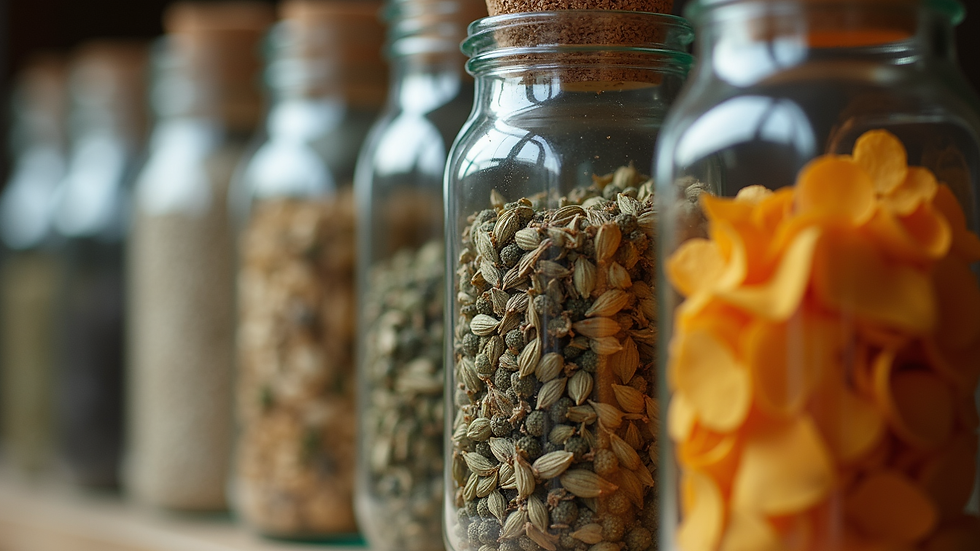
Herbal remedies are derived from plants and have been used for medicinal purposes throughout history. They can come in various forms, including teas, tinctures, capsules, and topical applications. The appeal of herbal remedies lies in their natural origins and the belief that they can promote healing without the side effects often associated with pharmaceuticals.
The Science Behind Herbal Remedies
While many people swear by herbal remedies, it's essential to understand the science that supports their use. Research has shown that certain herbs contain bioactive compounds that can influence health. For example:
Turmeric contains curcumin, known for its anti-inflammatory properties.
Ginger has been shown to alleviate nausea and improve digestion.
Echinacea is often used to boost the immune system.
These compounds interact with the body in various ways, promoting health and well-being.
The Benefits of Herbal Remedies
Herbal remedies offer a range of benefits, making them a valuable addition to holistic health practices. Here are some key advantages:
Natural Healing
Herbs can support the body's natural healing processes. For instance, chamomile is known for its calming effects, helping to reduce anxiety and promote sleep. This natural approach can be particularly appealing for those looking to avoid synthetic medications.
Fewer Side Effects
Many herbal remedies have fewer side effects compared to conventional drugs. For example, while over-the-counter pain relievers can cause gastrointestinal issues, willow bark, a natural pain reliever, is often gentler on the stomach.
Holistic Approach
Herbal remedies often address the root causes of health issues rather than just alleviating symptoms. This holistic approach aligns with the principles of integrative health, which considers the whole person—body, mind, and spirit.
Popular Herbal Remedies and Their Uses
Here are some popular herbal remedies and how they can be used to support health:
1. Lavender
Uses: Lavender is renowned for its calming properties. It can be used in aromatherapy to reduce stress and anxiety or added to baths for relaxation.
How to Use: Try a few drops of lavender essential oil in a diffuser or a lavender-infused bath soak.
2. Peppermint
Uses: Peppermint is effective for digestive issues, such as bloating and gas. It can also help relieve headaches.
How to Use: Brew peppermint tea or apply diluted peppermint oil to your temples for headache relief.
3. Ashwagandha
Uses: This adaptogenic herb helps the body manage stress and can improve energy levels.
How to Use: Ashwagandha is available in powder form, which can be added to smoothies or taken as a supplement.
4. Garlic
Uses: Garlic is known for its cardiovascular benefits and immune-boosting properties.
How to Use: Incorporate fresh garlic into your cooking or take garlic supplements for added health benefits.
5. St. John's Wort
Uses: Often used for mild depression, St. John's Wort can help improve mood.
How to Use: Available in capsules or as a tea, it’s essential to consult with a healthcare provider before use, as it can interact with other medications.
How to Incorporate Herbal Remedies into Your Daily Routine
Integrating herbal remedies into your life can be simple and enjoyable. Here are some practical tips:
Start with Teas
Herbal teas are an excellent way to begin. They are easy to prepare and can be consumed throughout the day. Consider trying different blends to find what works best for you.
Create a Herbal First Aid Kit
Stock your kitchen or medicine cabinet with essential herbs. Include items like ginger for nausea, chamomile for sleep, and peppermint for digestion. This way, you have remedies on hand when needed.
Explore Supplements
If you prefer not to brew teas or prepare tinctures, consider herbal supplements. Many herbs are available in capsule or tablet form, making them convenient to take.
Consult with a Professional
Before starting any herbal regimen, it’s wise to consult with a healthcare professional, especially if you have existing health conditions or are taking medications.
Safety Considerations
While herbal remedies can be beneficial, it’s crucial to use them safely. Here are some guidelines:
Research and Educate Yourself
Not all herbs are safe for everyone. Some can interact with medications or have contraindications. Always research and understand the herbs you plan to use.
Start with Small Doses
When trying a new herbal remedy, start with a small dose to see how your body reacts. Gradually increase the amount if you tolerate it well.
Monitor for Side Effects
Pay attention to how you feel after using herbal remedies. If you experience any adverse effects, discontinue use and consult a healthcare provider.
The Future of Herbal Remedies
As interest in natural health continues to grow, the future of herbal remedies looks promising. More research is being conducted to understand the benefits and potential applications of various herbs. This could lead to more widespread acceptance and use of herbal remedies in mainstream healthcare.
The Role of Technology
Advancements in technology are also playing a role in the herbal industry. From online herbal shops to apps that help identify herbs and their uses, technology is making it easier for individuals to access herbal remedies.
Conclusion
Harnessing herbal remedies for holistic health can be a rewarding journey. By understanding the benefits and applications of various herbs, you can take charge of your well-being in a natural way. Whether you choose to brew a calming tea or explore supplements, the world of herbal remedies offers a wealth of options to support your health.
As you embark on this journey, remember to stay informed, consult with professionals, and listen to your body. The path to holistic health is personal, and with the right tools, you can cultivate a lifestyle that promotes wellness and balance.


Comments